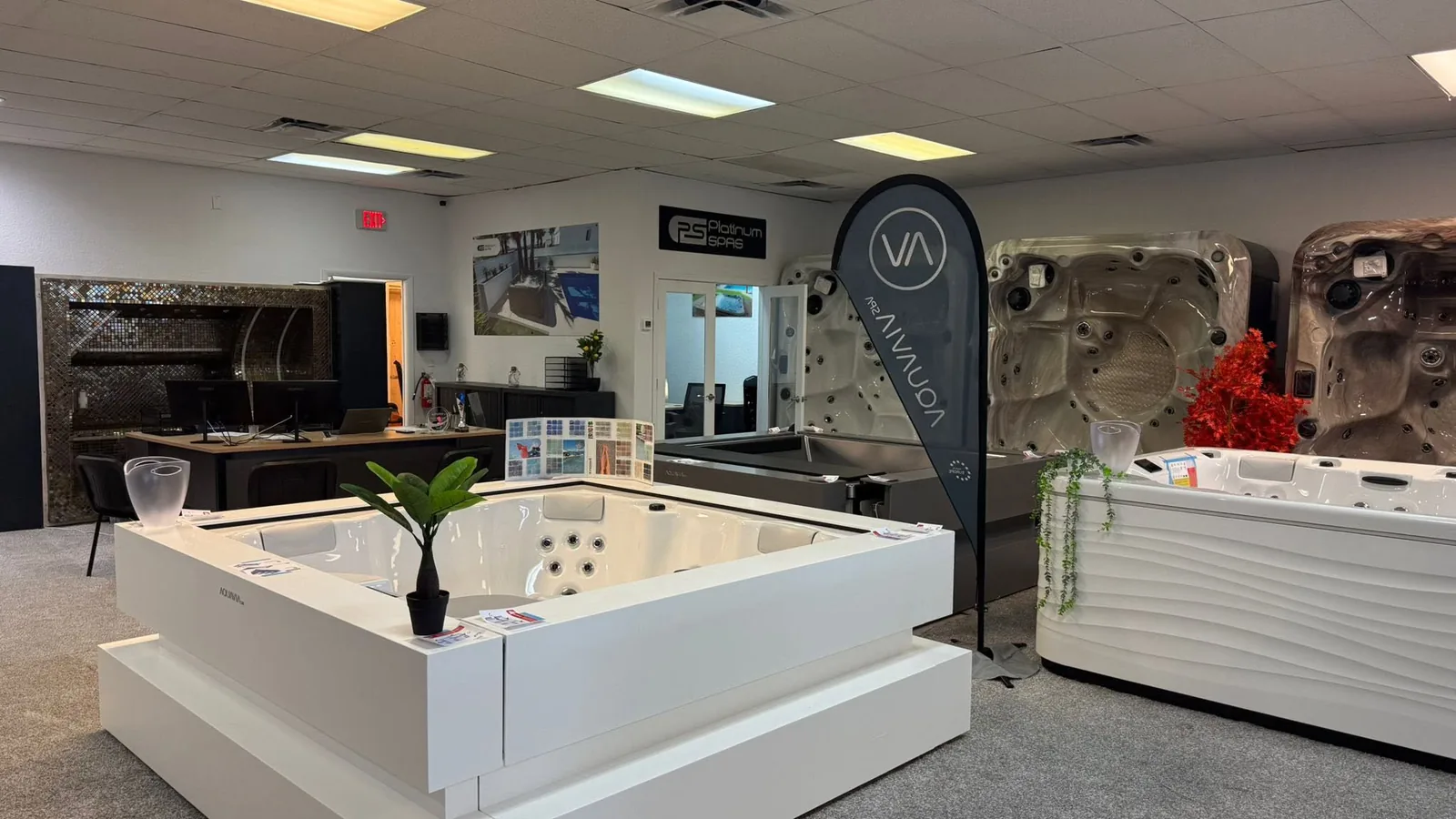
Before anything else: read two documents
Every HOA pool journey starts the same way: find your community’s CC&Rs (the recorded covenants) and its architectural guidelines. They tell you what the committee can regulate — placement, setbacks, fencing, equipment screening, sometimes decking materials — and what the application must contain. Under Florida Statute 720.3035, the committee’s authority goes only as far as those recorded documents take it, so knowing them is knowing your rights.
The approval path, step by step
| Step | Who | What happens |
|---|---|---|
| 1. Pull the documents | You | CC&Rs + architectural guidelines from your management company or portal |
| 2. Pick the pool | You + us | Model, placement and decking plan that fits the guidelines the first time |
| 3. Build the package | Us, mostly | Site plan, pool drawings and spec sheet, decking layout, equipment location — we prepare the drawings; the engineer plan is included |
| 4. Submit to the ARC | You | The application goes in under the homeowner’s name; committees commonly have 30–45 days under the documents |
| 5. County permit | Us | HOA approval and the building permit are separate; we coordinate the permit in parallel or right after |
| 6. Build & final inspection | Us | Including the Chapter 515 safety feature, which the county checks before closing the permit |
The number one cause of HOA delays is an incomplete first submission. Committees that meet monthly cannot un-miss a meeting. Our job is to make your package boring: complete, to scale, and matching the guidelines on the first pass.
What a typical ARC package contains
- The association’s application form, signed by the homeowner
- A site plan or survey showing the pool, setbacks and property lines
- Pool drawings and the manufacturer spec sheet for your model
- Decking layout and materials
- Equipment pad location and how it is screened from view
- Fence, screen enclosure or other barrier plan
- Sometimes: colors, landscaping and a contractor license + insurance certificate (ours: CPC1461254)
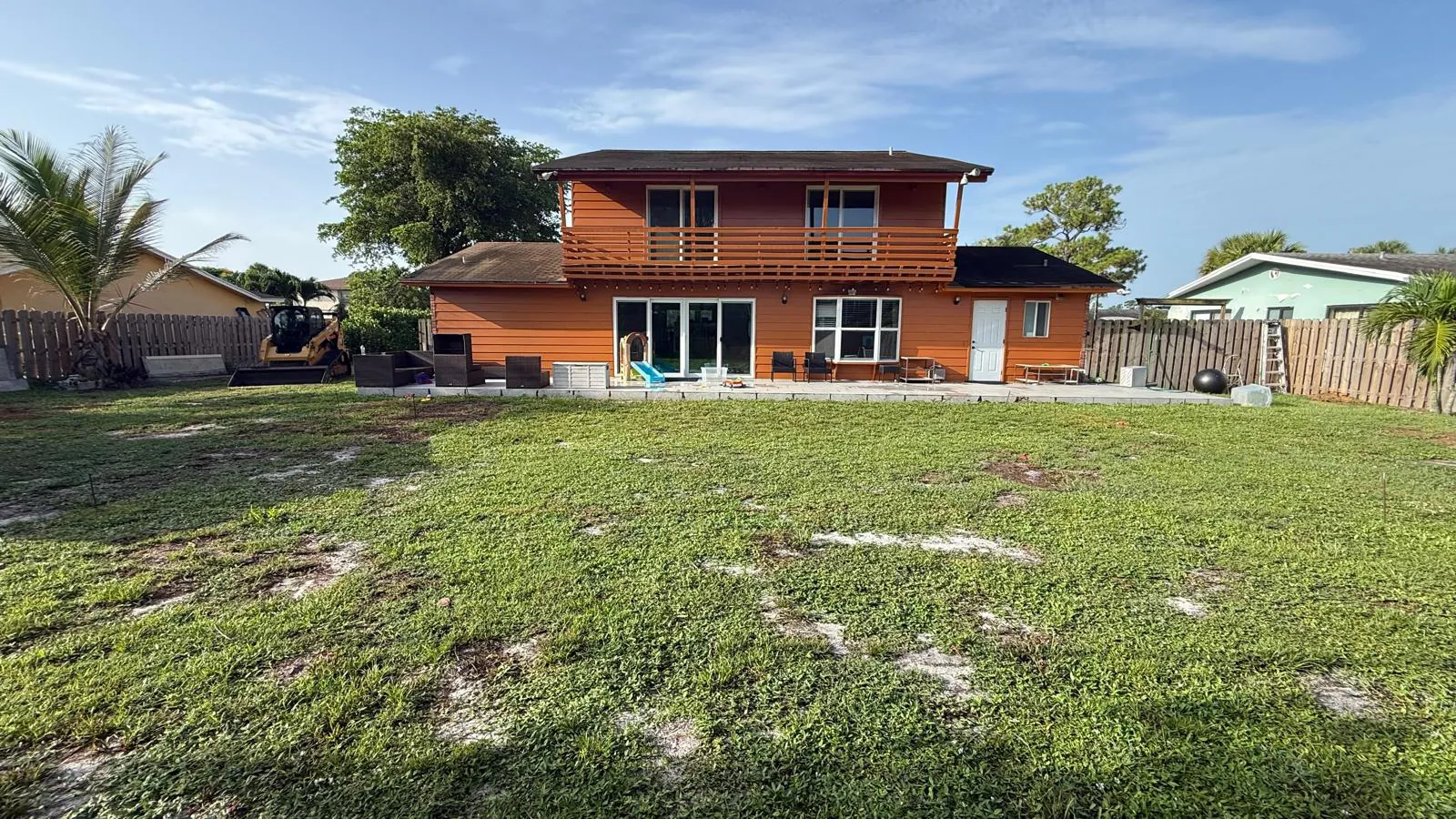
The Florida rules behind it all
FS 720.3035 — what the committee may decide
The statute limits architectural review to standards that are actually in the governing documents, as to “location, size, type, or appearance.” A committee cannot invent requirements on the fly, and approvals and denials must be consistent with the published standards.
Chapter 515 — the safety act
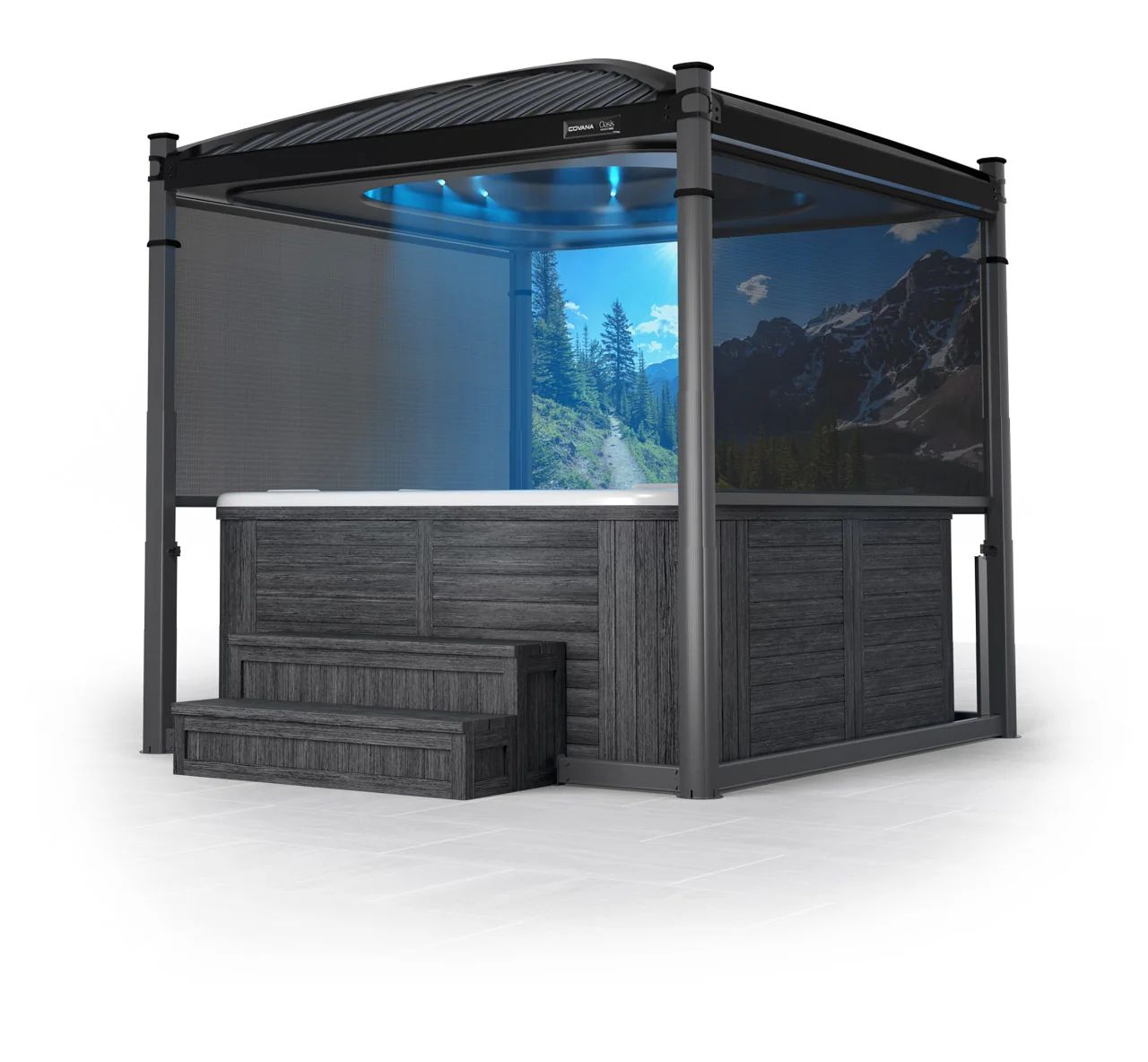
Separate from the HOA entirely, Florida’s Residential Swimming Pool Safety Act requires every new pool, spa or hot tub to have at least one of: a 48-inch barrier with a self-closing, self-latching gate that opens away from the pool; an approved safety cover (ASTM F1346); alarms on doors and windows with direct pool access; or self-closing, self-latching door protection. The county verifies it at final inspection. For hot tubs, a lockable safety cover is the common route — and an automated cover like the Covana systems we carry locks with a key.
HOA vs county: two separate yeses
HOA approval does not replace the building permit, and the permit does not override your HOA. You need both, which is why we run them in parallel whenever the community allows it.
Hot tubs and swim spas: the lighter version
No excavation usually means a simpler application: placement on an existing patio, a spec sheet, electrical plan (most spas need a dedicated 240V circuit) and screening. Where the guidelines are strict about visible equipment, a cabinet-matched spa and a tidy cover solve most objections. The same Chapter 515 options apply, met in practice by a locking cover.
This guide is practical experience, not legal advice. Your community’s recorded documents and your municipality’s current requirements control; when something looks ambiguous, ask the association in writing.
Approval questions
Do I need HOA approval for a hot tub too?
Usually yes, if it is visible from the street, a neighbor’s lot or common areas. Hot tub applications are typically simpler than pools since there is no excavation, but placement, screening and sometimes cover color still go through the architectural review.
How long does HOA approval take?
Many associations’ documents give the committee 30 to 45 days to respond, and committees often meet monthly. A complete application decided at one meeting is the realistic best case; an incomplete one can lose you a full cycle.
Can my HOA just say no to a pool?
Only within the rules. Under Florida Statute 720.3035, an architectural committee’s authority exists only to the extent it is stated in or reasonably inferred from the recorded governing documents, and decisions have to follow the published standards rather than taste.
What safety features does Florida require?
The Residential Swimming Pool Safety Act (Chapter 515) requires at least one approved option before final inspection: a barrier at least 48 inches high with a self-closing, self-latching gate; an approved safety cover (ASTM F1346); alarms on doors and windows opening to the pool; or self-closing, self-latching door protection. Many South Florida homes satisfy it with a screen enclosure.
Do you handle the paperwork?
We include permit coordination and the engineer plan with every pool, and we supply the drawings and spec sheets your architectural committee asks for. The HOA application itself must come from you as the homeowner, but you will not be assembling it alone.